
Rest as Resistance: Reclaiming Stillness in an Always-On Economy
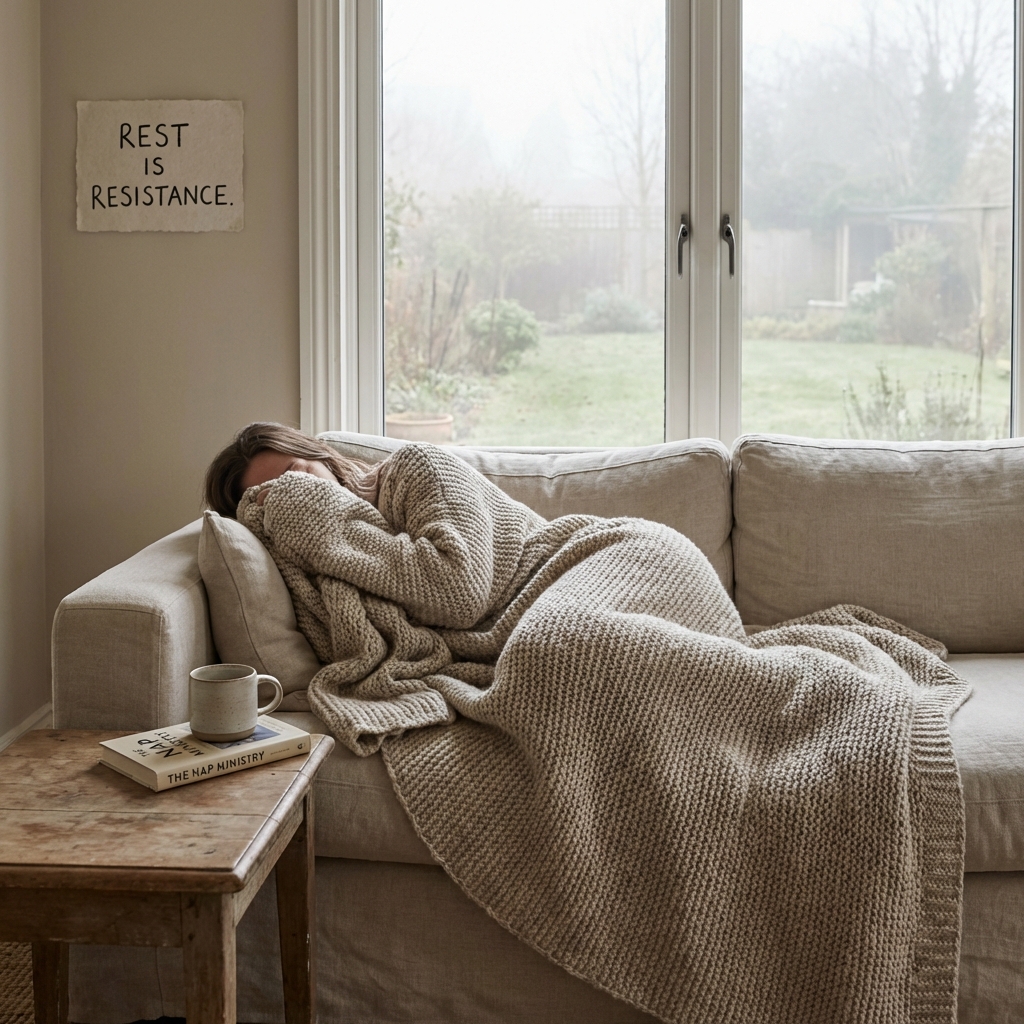
In a world that relentlessly demands our attention and productivity, the simple act of resting can feel like a radical rebellion. We’re told to hustle, to grind, to always be “on.” But what if true strength lies not in constant activity, but in the conscious choice to pause? This is the essence of rest as resistance.
It’s not about laziness or shirking responsibilities. It’s about recognizing that our worth isn’t tied to our output, and that genuine rest is essential for our well-being and, ironically, our long-term effectiveness. It’s a conscious decision to push back against the pervasive narrative that more is always better.
Why is Rest So Difficult?
We live in an economy fueled by our attention. The constant barrage of notifications, emails, and social media updates keeps us perpetually engaged, making it difficult to disconnect and truly relax. “Our economy thrives on distraction, making rest a subversive act,” as one expert put it.
Here are some of the reasons why rest feels so challenging:
- Societal Pressure: The glorification of “busy-ness” creates a culture where rest is seen as a sign of weakness or lack of ambition.
- Fear of Missing Out (FOMO): The constant stream of information makes us feel like we’re missing out on something if we’re not constantly connected.
- Guilt: We may feel guilty for taking time for ourselves, especially when we perceive that others are working harder.
- Addiction to Productivity: We can become addicted to the dopamine rush of completing tasks and achieving goals, making it difficult to slow down.
The Power of Rest
Rest is not merely the absence of activity; it’s an active process of restoration. It allows our bodies and minds to recover from stress, process information, and prepare for future challenges.
“Rest allows the brain to consolidate memories and process emotions, promoting mental clarity and emotional stability.”
Here are some of the benefits of incorporating rest into our lives:
- Improved Physical Health: Rest reduces stress hormones, strengthens the immune system, and promotes better sleep.
- Enhanced Mental Clarity: Rest allows the brain to clear out mental clutter, improve focus, and enhance creativity.
- Increased Emotional Resilience: Rest helps us regulate our emotions, cope with stress, and build resilience.
- Greater Productivity: Ironically, taking time to rest can actually make us more productive in the long run, by preventing burnout and improving focus.
Practicing Rest as Resistance
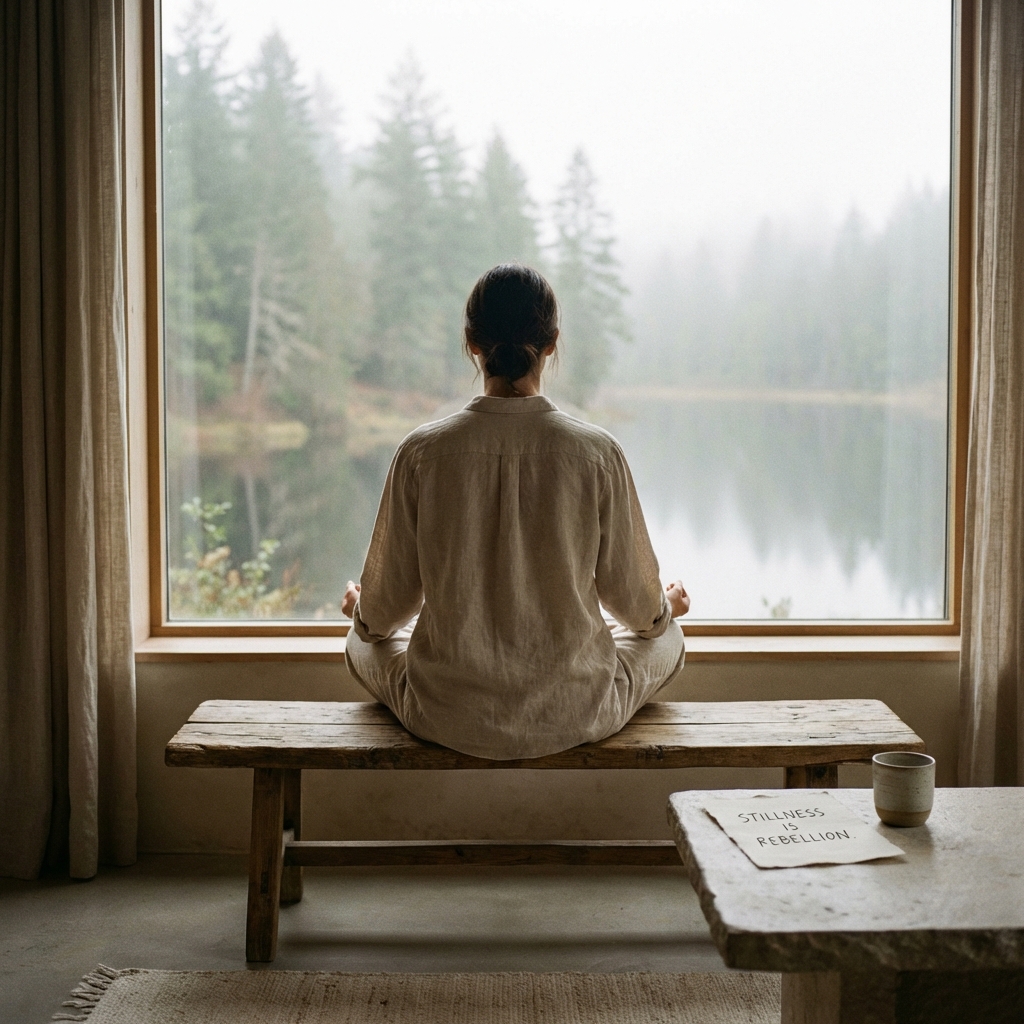
Reclaiming stillness in an always-on economy requires a conscious and intentional effort. It’s about creating space for rest in our lives, even when it feels difficult.
Here are some practical steps you can take:
- Schedule Rest: Treat rest like an important appointment that you can’t miss. Block out time in your calendar for activities that help you relax and recharge.
- Disconnect from Technology: Set boundaries around your use of technology, especially in the evenings and on weekends. Consider using apps or website blockers to limit your exposure to distractions.
- Practice Mindfulness: Engage in activities that help you stay present in the moment, such as meditation, yoga, or spending time in nature. There are many great apps to assist with this, like Calm.
- Say No: Learn to say no to commitments that drain your energy and prioritize activities that nourish you.
- Embrace Imperfection: Let go of the need to be perfect and accept that it’s okay to slow down and take breaks.
Stillwave offers resources and guided meditations designed to help you cultivate stillness and incorporate rest into your daily life. Visit the Stillwave Home page to learn more.
Redefining Success
Rest as resistance challenges our conventional notions of success. It invites us to question whether our worth is truly measured by our productivity and achievements. True success, perhaps, lies in our ability to live a balanced and fulfilling life, one that includes both activity and rest.
When we prioritize rest, we’re not just taking care of ourselves; we’re also challenging the dominant culture that values endless productivity over well-being. We are actively choosing to create a more sustainable and equitable world, one where rest is not a luxury, but a necessity. You can find more articles on this topic on the Stillwave Blog.

Consider this: How can you incorporate more stillness into your day? Even a few moments of quiet reflection can make a difference.
Rest isn’t selfish. It’s essential. It’s resistance.
Explore more: Stillwave Home
Explore more: Stillwave Blog