
The Science of Breathing: How Recent Research Validates Breathwork for Focus
For centuries, ancient traditions have used the breath as a gateway to calm. Today, modern science is finally catching up. Recent breathwork research has moved beyond the anecdotal, revealing the precise physiological mechanisms that allow a simple shift in breathing patterns to fundamentally alter our mental state and enhance our focus.
At the heart of this connection is the relationship between the respiratory system and the brain’s alertness centers. When we change how we breathe, we aren’t just taking in oxygen; we are sending a direct signal to our nervous system that it is safe to shift from a state of high-alert to one of calm, sustained attention.
The Vagus Nerve: Your Body’s Natural Brake
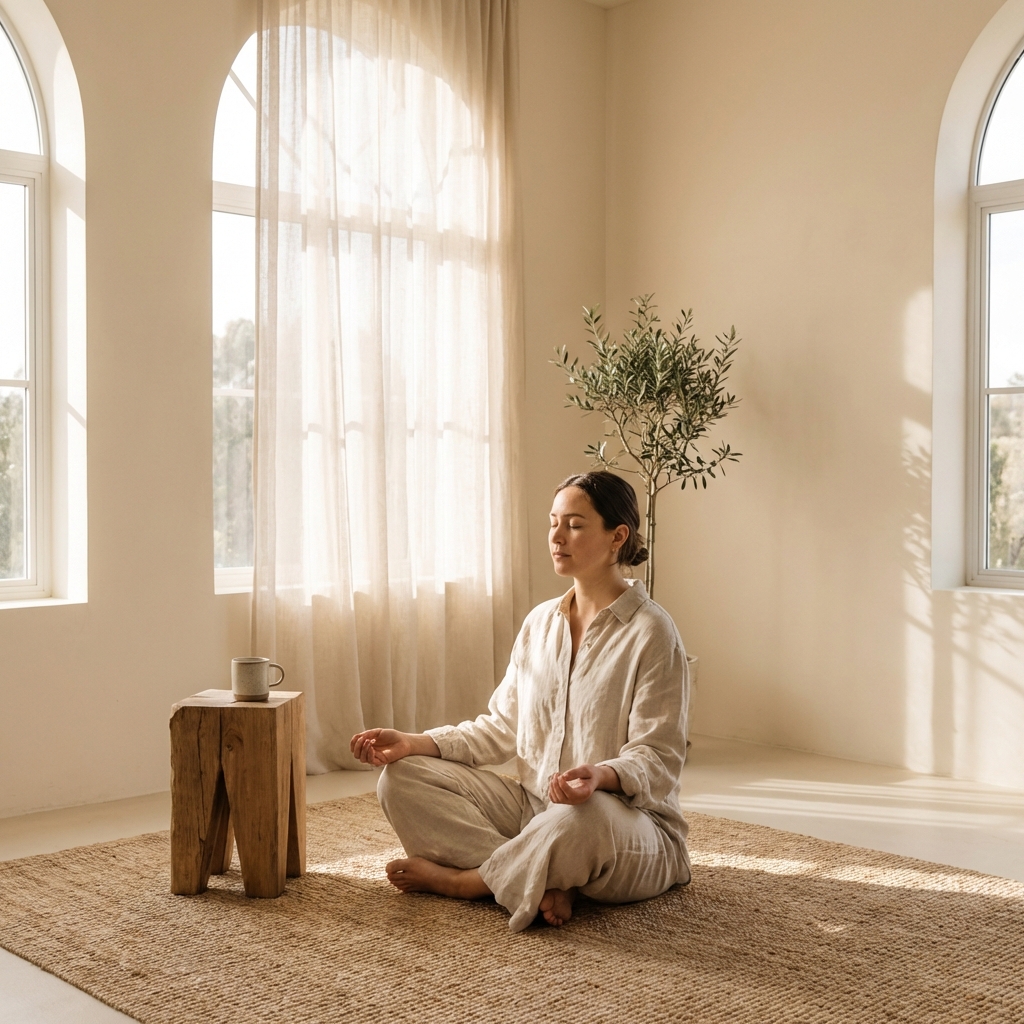
One of the most significant findings in breathwork research involves the vagus nerve. This long, branching nerve acts as the primary component of the parasympathetic nervous system, often referred to as the “rest and digest” system. When we engage in deep, rhythmic breathing, we stimulate the vagus nerve, which in turn slows the heart rate and lowers blood pressure.
A study published by researchers at Stanford Medicine highlights how specific breathing exercises can be more effective than traditional meditation for immediate mood improvement and physiological regulation. By consciously slowing the breath, we can effectively “flip the switch” on our stress response, clearing the mental fog that often accompanies a busy workday.

Breath as a Tool for Cognitive Performance
Beyond simple relaxation, research is showing that breathwork can actually improve cognitive performance. By regulating our CO2 levels and optimizing oxygen delivery to the brain, we can maintain higher levels of focus for longer periods. This is why many high-performers, from athletes to executives, are integrating breathwork into their daily routines.
Finding stillness isn’t about stopping your thoughts; it’s about finding a steady anchor. Your breath is that anchor. By practicing even a few minutes of intentional breathing, you can reclaim your focus and move through your day with a sense of grounded presence.
Integrating Breathwork into Your Stillness Practice
As you explore the Stillwave blog, you will find many ways to bring these research-backed techniques into your life. Whether you are looking for more tips on stillness or specific exercises to try, starting with the breath is the most accessible path to internal calm.
To learn more about the ongoing scientific exploration of human physiology and calm, you can visit The American Psychological Association for resources on the mind-body connection.