
Beyond the Surface: Cultivating Tranquility in the Earth
In the modern world, we are often disconnected from the cycles of the earth. We buy our food in plastic and spend our days behind glowing screens. Mindful gardening offers a primary way to bridge this gap, inviting us to put our hands in the soil and reconnect with the simple, rhythmic beauty of growth. It is not about perfect rows or high yields; it is about the grounding process of nurturing a living thing.
Unlike escapist hobbies that seek to distract us from reality, gardening pulls us deeper into it. The texture of the earth, the scent of damp soil after rain, and the slow unfurling of a new leaf are all powerful anchors for the present moment.
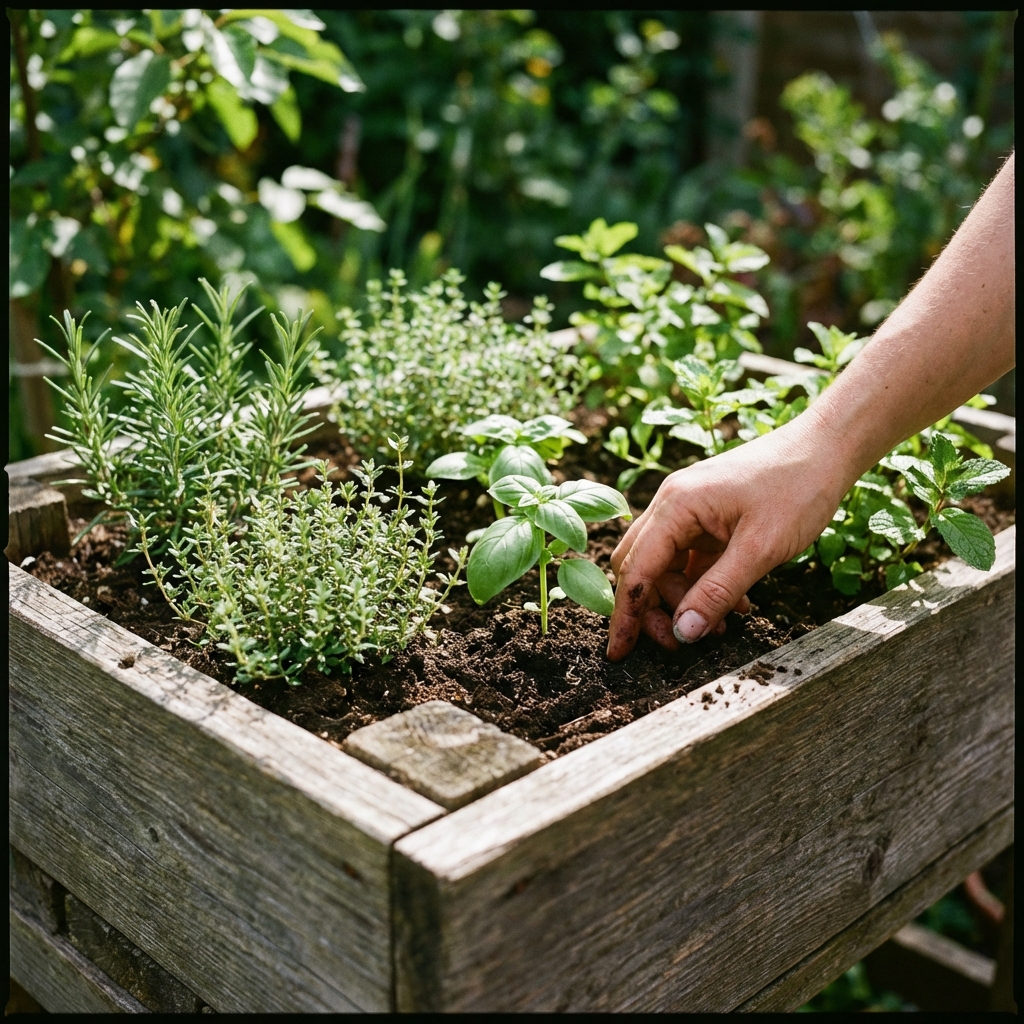
Sowing Seeds of Presence
A mindful gardening practice begins with perception. When you step into your garden—whether it’s a sprawling backyard or a few pots on a windowsill—take a moment to simply breathe. Notice the temperature of the air and the sounds around you.
As you begin to work, focus entirely on the task at hand. If you are planting seeds, feel the weight and shape of each tiny grain. Notice the contrast between the dry seed and the moist earth. By narrowing your focus to these sensory details, you naturally quiet the internal chatter of a busy mind. This form of horticultural therapy has been shown to significantly lower cortisol levels and improve overall well-being.
The Meditation of Weeding
Many gardeners see weeding as a chore to be rushed through. However, in the context of mindfulness, weeding can become a profound meditative practice. It is an exercise in discrimination and gentle removal. As you identify a weed and grasp its stem, feel the tension as the roots release from the earth.
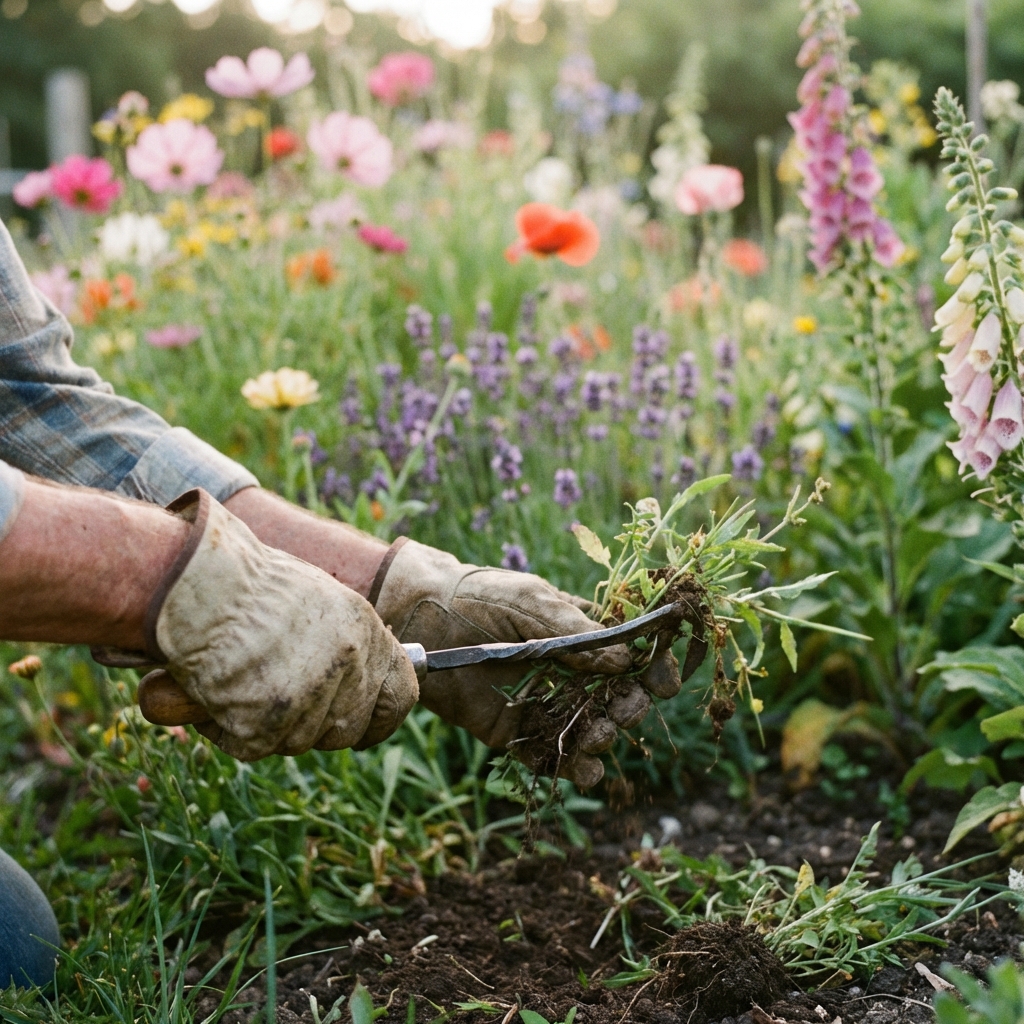
Instead of viewing the weed as an enemy, see the act of clearing space as a way of caring for the plants you wish to flourish. This mindset shifts the activity from a task of labor to a gesture of kindness and stewardship.
Harvesting Stillness
The beauty of a garden is its constant flux. A mindful practitioner learns to appreciate every stage: the dormant winter, the bursting spring, and the harvesting of late summer. Each phase offers a different lesson in patience and presence.
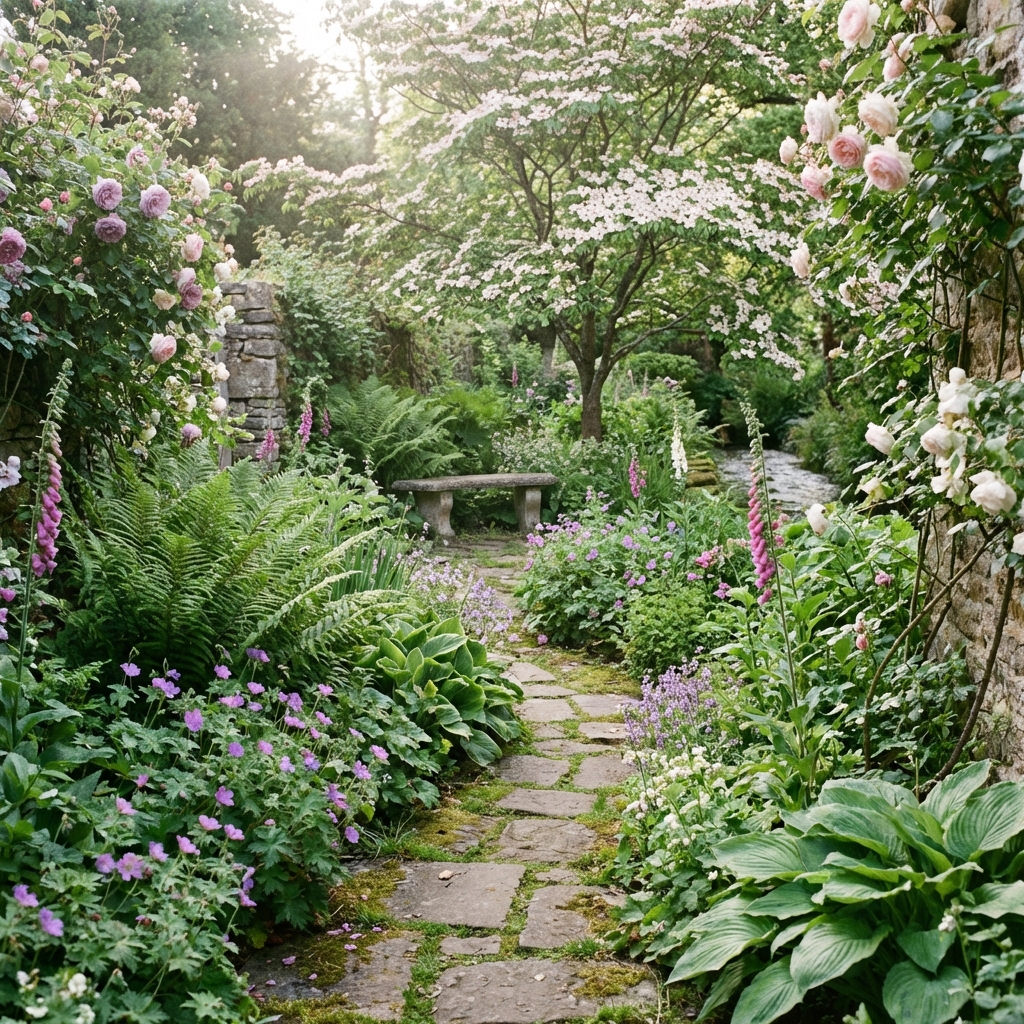
By spending even ten minutes a day engaging with your plants, you build a resilient connection to the natural world. This connection acts as a buffer against the stressors of daily life, providing a reliable sanctuary of peace.
To explore more ways to ground yourself in the present, visit our Stillwave Home or read more on the Stillwave Blog.
For those interested in the scientific benefits of gardening, the American Horticultural Therapy Association offers detailed insights into how working with plants supports mental health.