
Finding Quietness in the Canopy: A New Perspective on Birding
In our fast-paced world, we often look at nature as a backdrop or a resource, rather than a place to truly belong. Birding, for many, starts as a quest to check names off a list or photograph rare species. While there is joy in that pursuit, there is a deeper, more restorative practice waiting for those who choose to slow down. Mindful birding isn’t about how many birds you can identify; it’s about how deeply you can notice the ones right in front of you.
Unlike high-intensity outdoor activities that focus on adrenaline and movement, mindful birding invites a state of quiet presence. It is a sensory engagement that anchors you in the “now.” When you listen for a distant call or watch the intricate movement of a sparrow in a hedgerow, your mind naturally quietens.
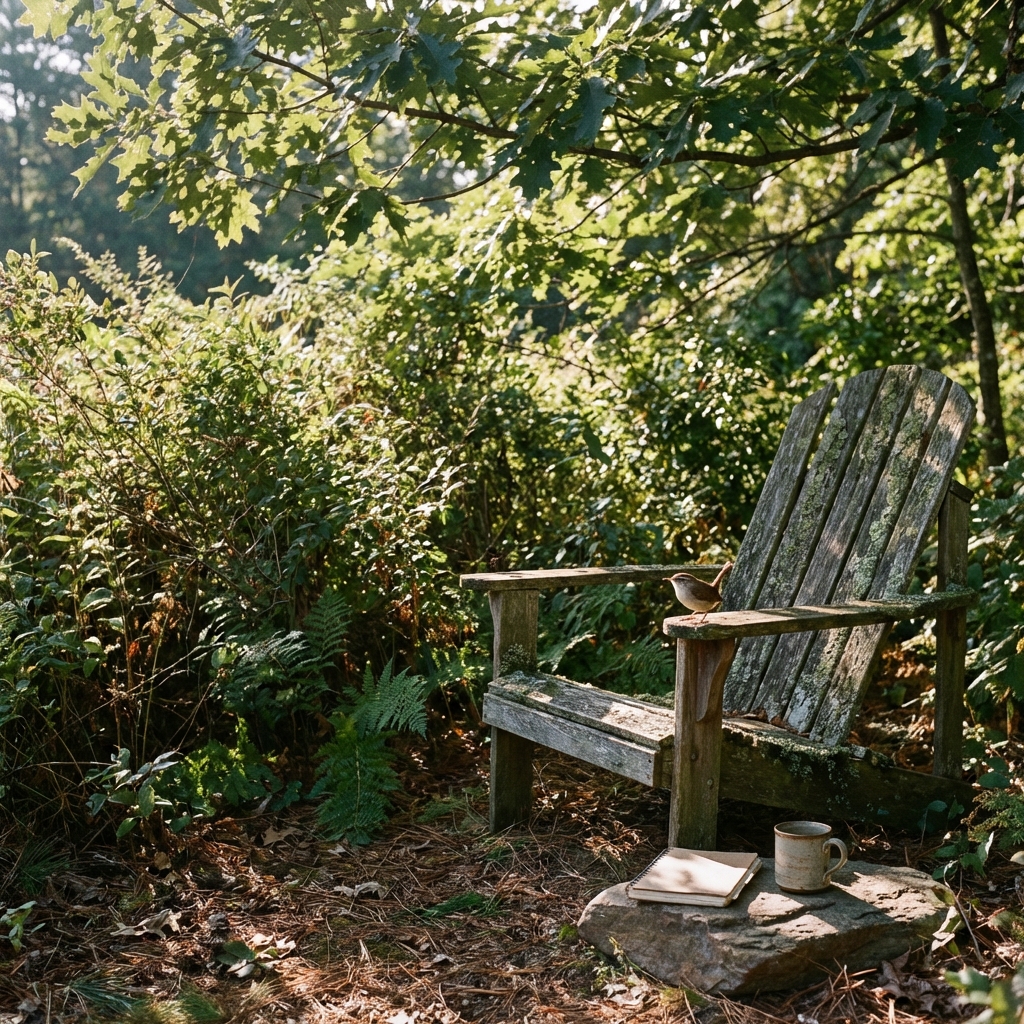
The Sensory Anchor of Avian Life
To begin a mindful birding practice, you don’t need expensive binoculars or a travel guide. You only need a willingness to be still. Start by finding a “sit spot”—a comfortable place where you can remain for ten to fifteen minutes without a specific agenda.
As you sit, let your senses expand. Instead of immediately trying to name the birds you see, notice their behavior. How does the light catch their feathers? What is the rhythm of their flight? By focusing on these minute details, you engage the parasympathetic nervous system, signaling to your body that it is safe to rest and observe.
Connecting Through Sound
Sound is often the most profound entry point into stillness. Even in urban environments, the dawn chorus or the simple chirp of a garden bird offers a persistent link to the natural world. Mindful listening involves noticing the layers of sound: the rhythmic repetition, the pauses, and the varying pitches.

This practice of deep listening is a form of meditation in motion. It pulls our attention away from internal ruminations and toward the complex, vibrant reality of the present. For those seeking a grounded way to manage stress, birding for mental health has shown significant promise in reducing anxiety and improving mood.
Establishing a Sit Spot Practice
The beauty of mindful birding is its accessibility. It can be practiced from a balcony, a local park, or a forest trail. The goal is consistency and quality of attention rather than the variety of species found. Over time, your sit spot becomes a sanctuary of presence.

By returning to the same location, you begin to notice the subtle changes in the seasons and the secret lives of the birds who share your neighborhood. This connection fosters a sense of stewardship and peace that carries over into the rest of your day.
If you are looking for more ways to cultivate presence, we invite you to explore the Stillwave Home page or browse our Stillwave Blog for more gentle insights.
For further reading on the intersection of nature and wellbeing, the Audubon Society provides excellent resources on the benefits of birdwatching for mental health.