
Surrendering to What Is
Life often feels like a struggle, a constant push against the current. We resist situations, emotions, and even our own thoughts. But what if there was another way? What if the key to a more peaceful existence lay in surrendering to the present moment?
The teachings of Eckhart Tolle, particularly his emphasis on eckhart tolle acceptance and non-resistance, offer a powerful framework for navigating the complexities of life with greater ease and inner peace. Surrendering to what is isn’t about giving up or becoming passive; it’s about aligning ourselves with reality rather than fighting against it. It’s about finding freedom in the now.
Understanding Non-Resistance
Resistance, in Tolle’s view, is the primary source of suffering. It’s the mental and emotional energy we expend fighting against what already is. This could be anything from a traffic jam to a difficult relationship, or even an uncomfortable feeling within ourselves.
“Whatever the present moment contains, accept it as if you had chosen it,” Tolle advises. This doesn’t mean we have to like everything that happens, but it does mean we acknowledge its reality without adding layers of mental and emotional drama.

Consider a time when you felt frustrated or angry about a situation. Perhaps a project at work didn’t go as planned, or a conversation took an unexpected turn. Did resisting the reality of the situation make it better? More often than not, it probably amplified the negative emotions and created more stress.
Learning to simply be with what is, without judgment or resistance, is a radical act of self-compassion. It allows us to conserve our energy and respond to challenges from a place of clarity rather than reactivity.
The Power of Acceptance
Acceptance is the foundation of surrendering to the present moment. It’s not about condoning harmful behavior or resigning ourselves to a life of unhappiness. Rather, it’s about acknowledging the reality of our current experience without adding unnecessary suffering.
Eckhart Tolle acceptance encourages us to see things as they are, without the filter of our expectations, judgments, or past experiences. This clarity allows us to respond more effectively and compassionately, both to ourselves and to others.
When we truly accept the present moment, we create space for something new to emerge. We open ourselves up to possibilities and solutions that might otherwise be hidden by our resistance.
“Accept – then act. Whatever the present moment contains, accept it as if you had chosen it. Always work with it, not against it,” Tolle suggests.
Practical Steps for Surrendering to the Present Moment
Surrendering to what is is a practice, not a destination. It requires ongoing awareness and a willingness to shift our perspective. Here are a few practical steps you can take:
* Notice Your Resistance: Pay attention to the moments when you feel yourself resisting a situation, emotion, or thought. What are you fighting against?
* Acknowledge and Accept: Instead of trying to push away the discomfort, simply acknowledge its presence. Say to yourself, “I am feeling [emotion] right now.” Allow yourself to feel it without judgment.
* Focus on Your Breath: Bring your attention to your breath. Notice the sensation of the air moving in and out of your body. This simple act can help ground you in the present moment.
Ask Yourself: Can I do something about it right now*?: If the answer is yes, take appropriate action. If the answer is no, then your resistance is futile and only causes unnecessary suffering.
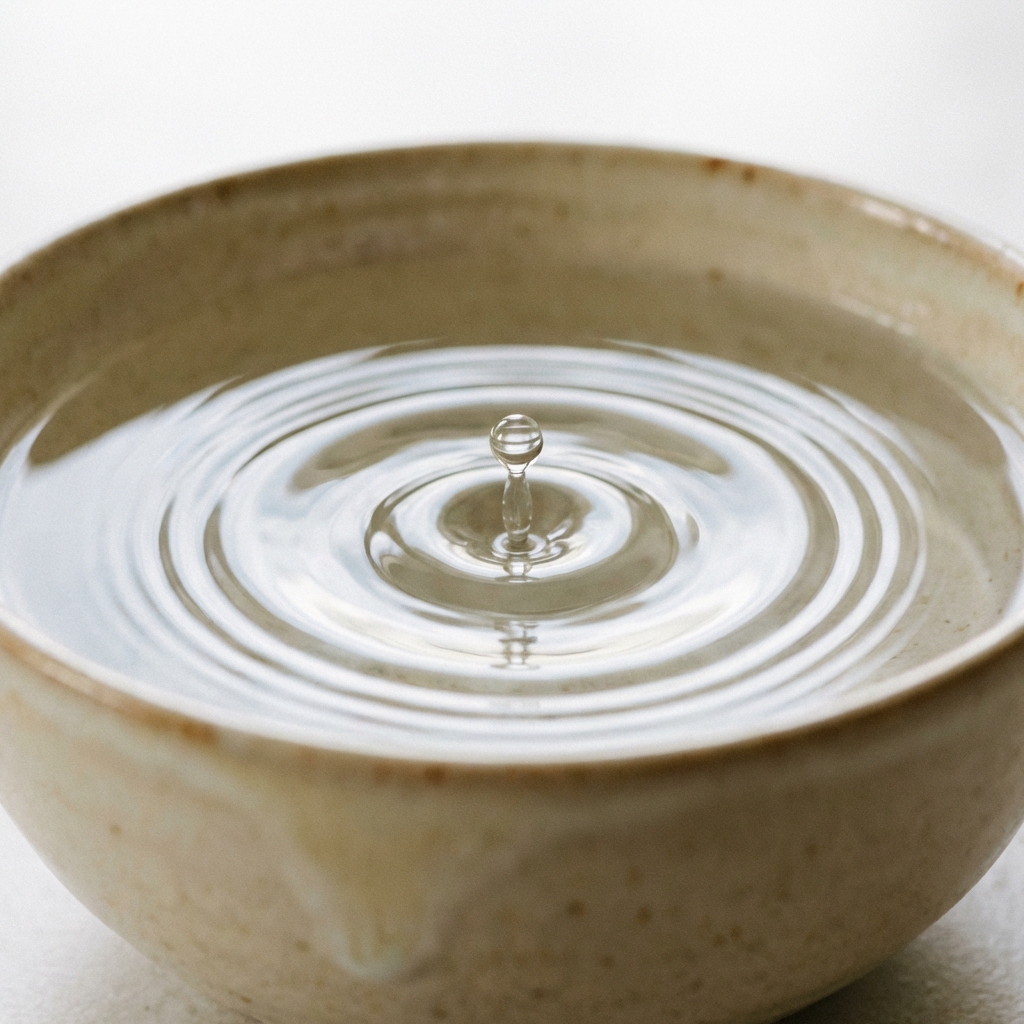
Practicing mindfulness is incredibly helpful. You can start by incorporating meditation into your daily routine. Apps like Calm or Headspace offer guided meditations that can support you in developing greater awareness of your thoughts and emotions.
Letting Go and Finding Peace
Letting go is a crucial aspect of surrendering to the present moment. It means releasing our attachment to specific outcomes or expectations. It means trusting that life is unfolding as it should, even when it doesn’t make sense to us.
Often, we cling to things that are no longer serving us – past grievances, limiting beliefs, or unhealthy relationships. Letting go allows us to free ourselves from these burdens and create space for new experiences and possibilities.
It’s important to remember that letting go doesn’t mean we don’t care. It simply means we’re willing to release our grip on what we cannot control and trust in the process of life. Visit the Stillwave Home for more on cultivating inner peace.
The Benefits of Non-Resistance
The path of non-resistance offers numerous benefits, including:
- Reduced stress and anxiety
- Increased clarity and focus
- Improved relationships
- Greater resilience in the face of challenges
- A deeper sense of peace and contentment
By surrendering to what is, we liberate ourselves from the endless cycle of resistance and suffering. We discover that true freedom lies not in controlling our circumstances, but in accepting them with grace and awareness.

As you explore the concept of surrendering to the present moment, remember that it’s a journey, not a destination. Be patient with yourself, practice self-compassion, and trust in the unfolding of your life. To learn more about mindfulness and cultivating a more peaceful state of mind, consider exploring resources on positive psychology.
If you are looking for more articles like this, be sure to check out the Stillwave Blog: https://stillwave.io/blog/.